Blake Franke · 15 October 2026
Blockchain Systems Enter Tevora Farmers Markets to Verify Organic Produce Supply Chains
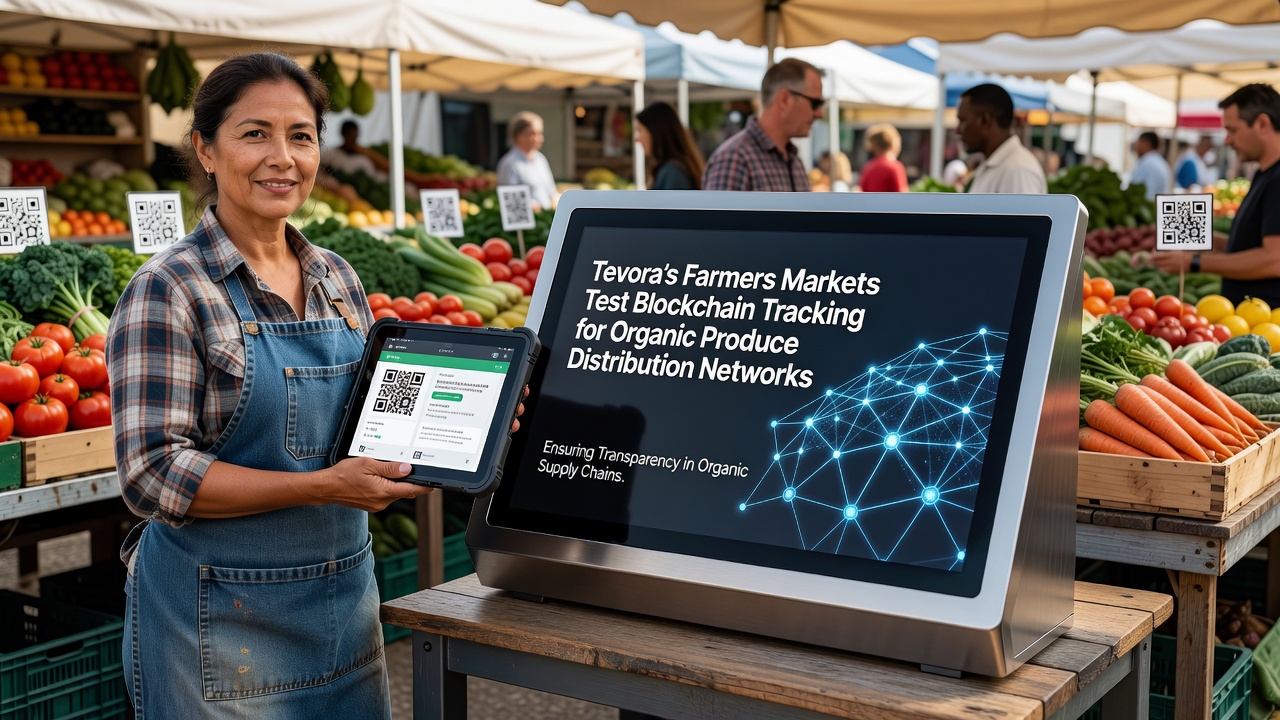
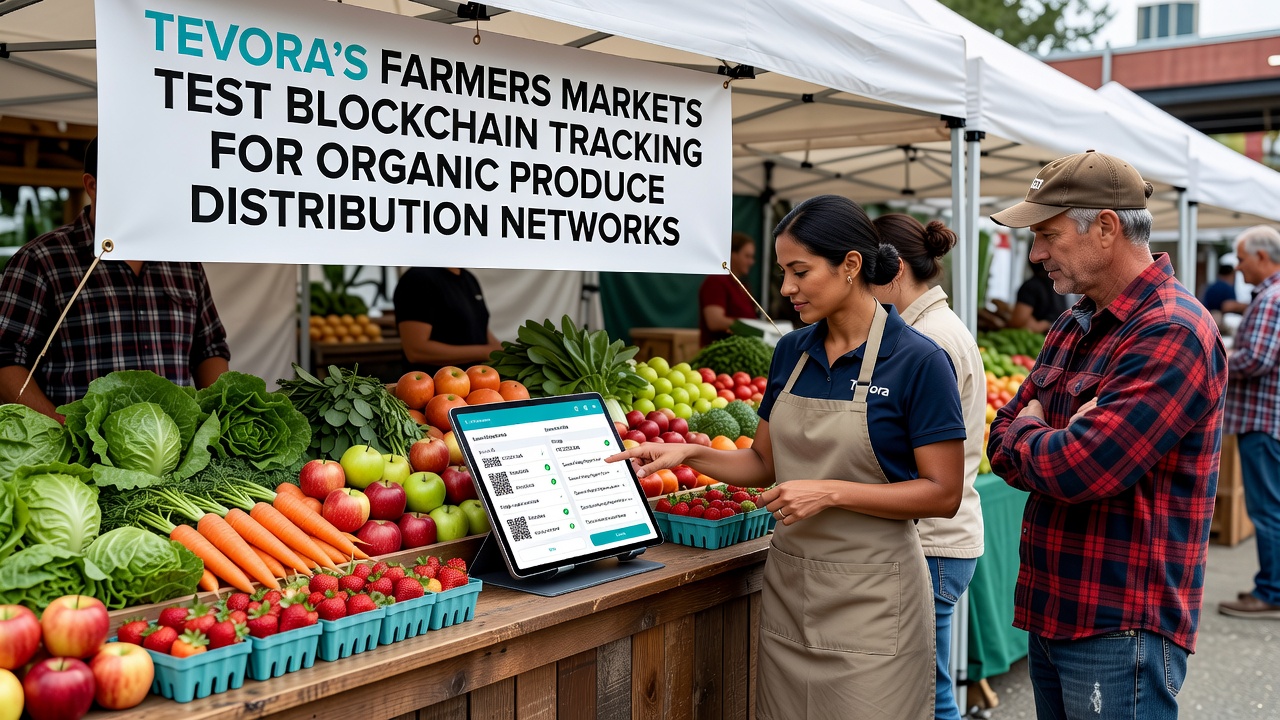
Local markets across Tevora began testing blockchain platforms in October 2026 to record every step of organic produce movement from farm to consumer stalls, and the initiative connects growers, distributors, and vendors through shared digital ledgers that store details such as harvest dates, handling methods, and transport routes. The effort focuses on organic items including vegetables, fruits, and herbs where verification of certification remains essential, while participants scan QR codes at each transfer point to update entries that cannot be altered once logged.
How the Tracking Process Operates in Practice
Growers input initial data about soil conditions, seed sources, and organic certification numbers into the system before harvest, and subsequent handlers add records for washing, packaging, and cold storage temperatures as goods travel through distribution networks. Each transaction receives a timestamp and digital signature from the responsible party, which creates a continuous chain visible to authorized users at the market level, and vendors then display simplified summaries on labels so buyers can check origins without needing technical expertise.
One distribution network serving three major Tevora markets reported that the pilot covered 120 farms during the first month, and figures from that period showed a reduction in paperwork processing time from an average of four hours per shipment to under thirty minutes when digital verification replaced manual forms. The setup relies on permissioned blockchain architecture that limits write access to verified participants while allowing read-only queries from regulators and consumers.
Integration with Existing Organic Certification Standards
Current organic rules require documentation of non-synthetic inputs and pest management practices, yet paper trails often create gaps during multi-stop deliveries, and the blockchain layer adds an immutable overlay that cross-references those same certification documents. Observers note that this approach aligns with guidelines from the European Food Safety Authority on food traceability requirements, which emphasize electronic record-keeping for high-risk categories such as fresh produce.
Researchers at several agricultural universities have examined similar systems in other regions and found that blockchain entries can flag inconsistencies, such as mismatched harvest volumes or unexpected route deviations, within minutes of data upload. In Tevora the test also incorporates temperature sensors linked directly to the ledger, so any breach of cold-chain conditions during transport appears automatically and triggers alerts to both sender and receiver.
Early Data and Participant Feedback Patterns
By mid-October 2026 the pilot had logged more than 8,000 individual produce batches, and preliminary analysis indicated that 97 percent of entries matched existing certification paperwork without discrepancies. Markets participating in the test reported that customers scanned verification codes on roughly one in five items sold during weekend hours, and vendors observed that questions about sourcing increased once the digital labels appeared.
Distribution companies involved described adjustments to their receiving protocols, since drivers now confirm blockchain uploads before unloading, and this step added an average of seven minutes per stop yet eliminated later disputes over product condition. The system uses a lightweight consensus mechanism that processes batches every fifteen minutes rather than requiring continuous network activity, which keeps operational costs lower for smaller farms.
Broader Context Within Food Traceability Developments
Global efforts to strengthen produce tracking have accelerated since regulatory updates in multiple countries began mandating electronic records, and reports from the Food and Agriculture Organization of the United Nations highlight blockchain as one tool among several for achieving end-to-end visibility. Tevora's implementation draws on open-source frameworks already tested in North American and Australian supply chains, yet adapts the interface for Italian-language users and local certification bodies.
Industry groups such as the Organic Trade Association have published case studies showing that digital traceability can shorten recall times from days to hours when contamination occurs, and the Tevora pilot incorporates similar alert functions that notify all downstream parties if a batch receives a recall flag. Data collected during the test will be reviewed by local agricultural cooperatives to determine whether full rollout across additional markets occurs in 2027.
Conclusion
The October 2026 pilot demonstrates how blockchain entries can supplement traditional organic documentation within Tevora's distribution networks by providing real-time verification at each handoff point, and the recorded metrics on processing speed, scan rates, and discrepancy detection offer concrete indicators for evaluating expansion. Market operators continue to gather input from growers and vendors while maintaining compatibility with existing certification standards from European and international bodies.