Rosa Butler · 29 October 2026
Historic Site Restorations Fuel Innovative Strategies for Sustainable Urban Growth
Restoration projects at historic sites have long preserved cultural legacies, yet they now supply practical models for sustainable urban design through careful material selection, energy retrofits, and community integration. Cities worldwide draw from these efforts because they demonstrate how existing structures can reduce new construction demands while meeting modern environmental standards, and data from multiple regions confirms measurable gains in resource efficiency.
Adaptive Reuse Principles Take Center Stage
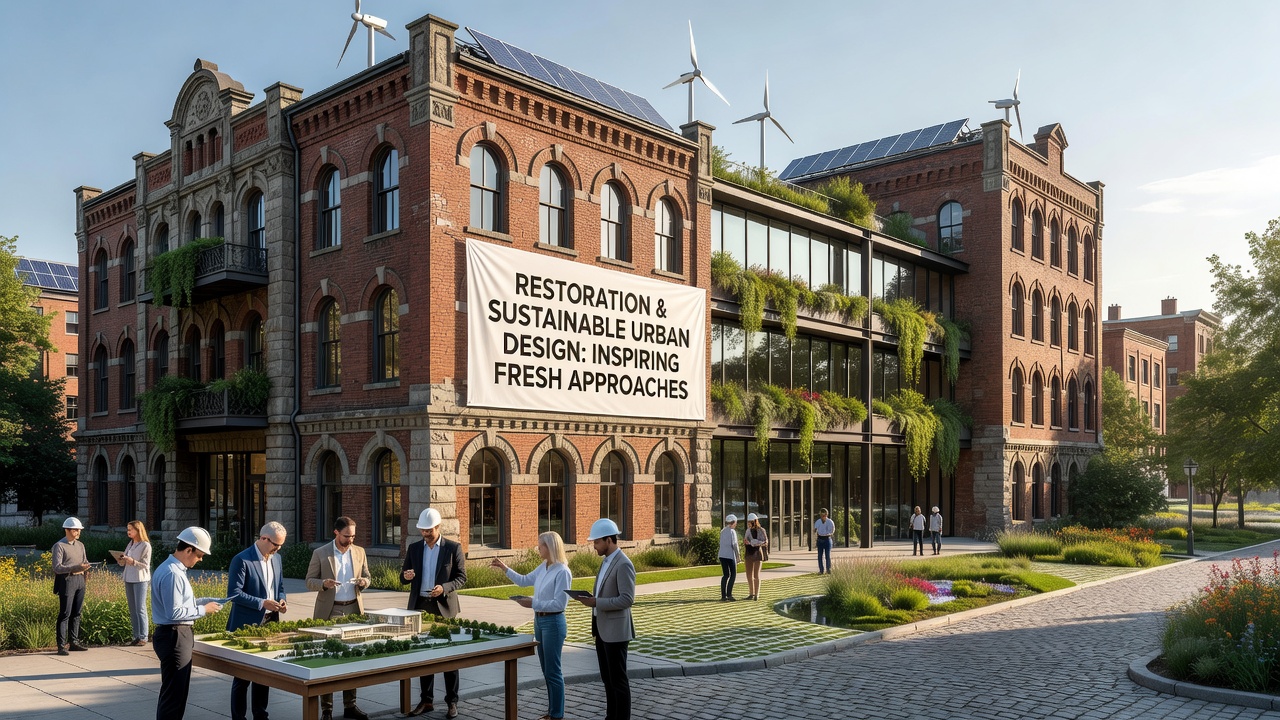
Planners examine cases where warehouses, mills, and public buildings undergo conversion into mixed-use spaces, and they apply similar logic to contemporary developments because these projects reuse foundations, walls, and infrastructure that would otherwise require fresh extraction of raw materials. Research indicates that adaptive reuse projects cut embodied carbon by significant margins compared with new builds, while the same structures often incorporate passive ventilation, daylighting strategies, and insulation upgrades that lower operational energy use over decades.
One project in a European city restored a nineteenth-century textile mill and integrated geothermal systems along with recycled steel framing, which allowed the site to achieve net-zero energy performance within two years of reopening. Observers note that such techniques transfer readily to new districts where zoning now favors retention over demolition, and municipal records show reduced landfill contributions when these methods scale across neighborhoods.
Material Conservation Meets Modern Performance Needs
Traditional masonry, timber, and stone assemblies receive updated treatments that improve thermal performance without erasing original character, and conservation specialists combine lime-based renders with contemporary vapor-permeable membranes to manage moisture while maintaining breathability. Studies conducted across North American and Australian sites reveal that these hybrid approaches extend building lifespans by decades and decrease heating and cooling loads by twenty to thirty percent on average.
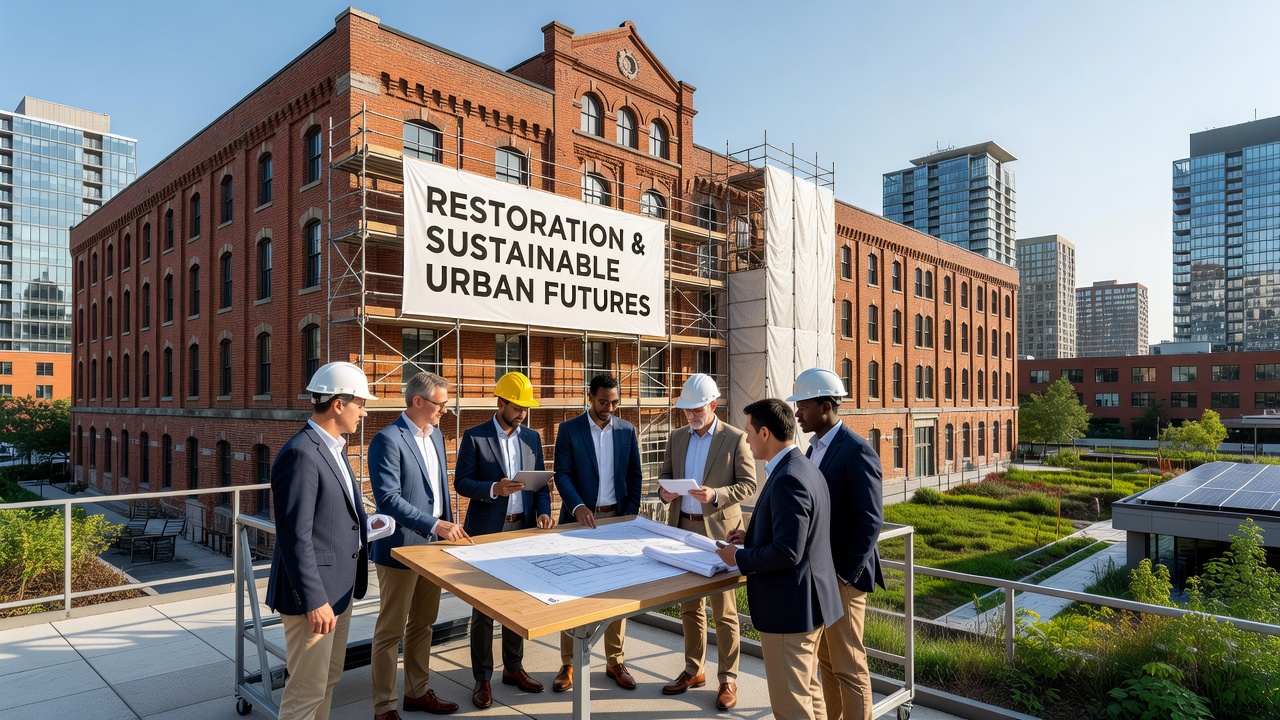
Engineers further experiment with salvaged bricks and reclaimed timber in new additions, which diverts waste streams and lowers transportation emissions because local sourcing dominates supply chains. Figures released in October 2026 by Environment and Climate Change Canada highlight how heritage districts adopting these practices report lower overall material throughput than comparable greenfield developments, and the patterns align with broader goals outlined in the U.S. Environmental Protection Agency sustainability framework.
Community Engagement Strengthens Long-Term Outcomes
Restoration initiatives frequently involve local residents in decision-making about public spaces and programming, which builds stewardship and reduces future maintenance conflicts. Data shows that neighborhoods surrounding restored sites experience higher rates of walkability and transit use once pedestrian pathways and green corridors link them to surrounding districts, and these outcomes stem directly from design choices that prioritize human-scale circulation over vehicle dominance.
Planners in several Asian and South American cities have replicated this model by anchoring new sustainable districts around preserved historic cores, and they document improved air quality metrics alongside increased biodiversity in adjacent public parks. The approach avoids large-scale demolition, which preserves social networks that might otherwise fracture during rapid redevelopment.
Policy Frameworks Evolve in Response
Regulatory bodies adjust building codes and incentive programs to reward retention and retrofitting, and they reference performance data from completed heritage projects when setting new targets. International organizations such as UNESCO compile case studies that demonstrate how heritage conservation contributes to climate resilience goals, and cities that incorporate these lessons report faster permitting timelines for projects that blend preservation with sustainability upgrades.
Conclusion
Restoration projects at historic sites continue to generate transferable techniques for sustainable urban design, from material strategies and energy systems to community processes and policy adjustments. Evidence gathered across continents confirms that these methods deliver measurable environmental benefits while maintaining cultural continuity, and ongoing monitoring in multiple cities will clarify how the approaches scale under varying climate and regulatory conditions.