Rosa Butler · 1 October 2026
Tevora's Underground Art Scene Fuels Unexpected Collaborations with Tech Developers
Underground art networks across Tevora have expanded their reach into technology development circles, where shared spaces and joint projects connect visual creators with software engineers and hardware specialists. Data from regional cultural mapping projects shows that more than 120 independent studios participated in cross-disciplinary workshops throughout 2025, with participation rates climbing further as October 2026 approached and several multi-week residencies opened registration.
These gatherings often begin in repurposed industrial buildings on the outskirts of Tevora Valley, where painters, sculptors, and digital media artists share facilities with coders working on open-source visualization tools. Researchers tracking these patterns note that the first documented pairings emerged in early 2024 when a group of projection mapping specialists sought assistance with real-time rendering algorithms, and developers responded by adapting existing game engine components for installation work.
Shared Spaces Drive Initial Connections
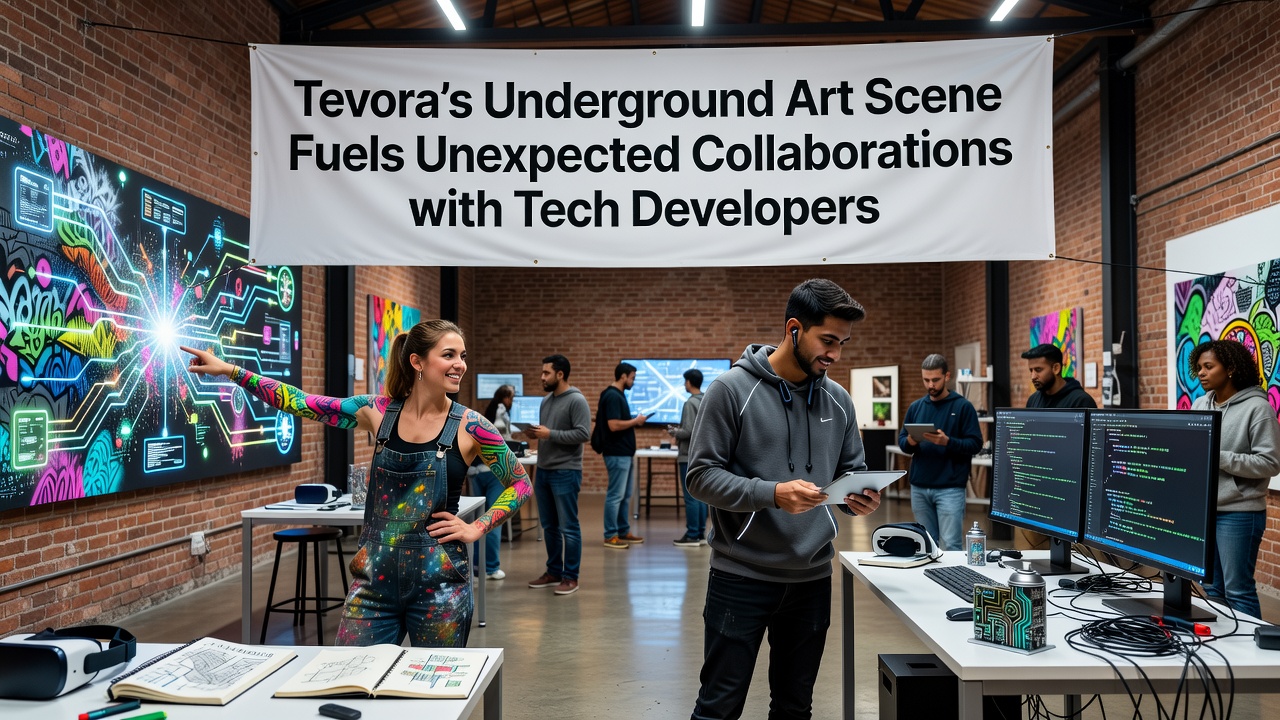
Venues that once hosted only evening exhibitions now schedule daytime sessions where artists test prototypes alongside programmers debugging sensor arrays. According to records maintained by the Tevora Cultural Registry, at least 18 such hybrid events took place between January and September 2025, each involving between 30 and 75 participants. The format typically pairs one artist with a small development team for periods ranging from three days to two weeks, during which the groups iterate on both aesthetic and technical elements until functional pieces emerge.
One study released by the European Institute for Digital Culture documented similar growth patterns in other mid-sized creative hubs, yet Tevora's version stands out because many of the resulting prototypes moved directly into commercial testing phases rather than remaining in gallery settings. Figures released by the institute indicate that roughly 22 percent of projects from 2025 advanced to pilot deployments within six months, a rate higher than the 14 percent average observed across comparable regions.
Technology Adaptations Emerge from Artistic Constraints
Developers report that artistic requirements frequently push existing frameworks beyond standard use cases, particularly when installations demand synchronized lighting across irregular surfaces or when interactive elements must respond to unpredictable human movement. A team working with a local collective in mid-2025 modified an open-source motion tracking library originally designed for robotics, extending its range to accommodate low-light conditions common in warehouse environments. That adaptation later appeared in updated documentation hosted by the original library maintainers.
Another project combined traditional printmaking techniques with embedded microcontrollers, allowing static posters to trigger audio sequences when viewers approached within a defined radius. The hardware specifications developed for that series were later referenced in a technical paper presented at the 2026 International Symposium on Tangible and Embedded Interaction, held in Melbourne and organized by RMIT University.
October 2026 Events Expand the Model
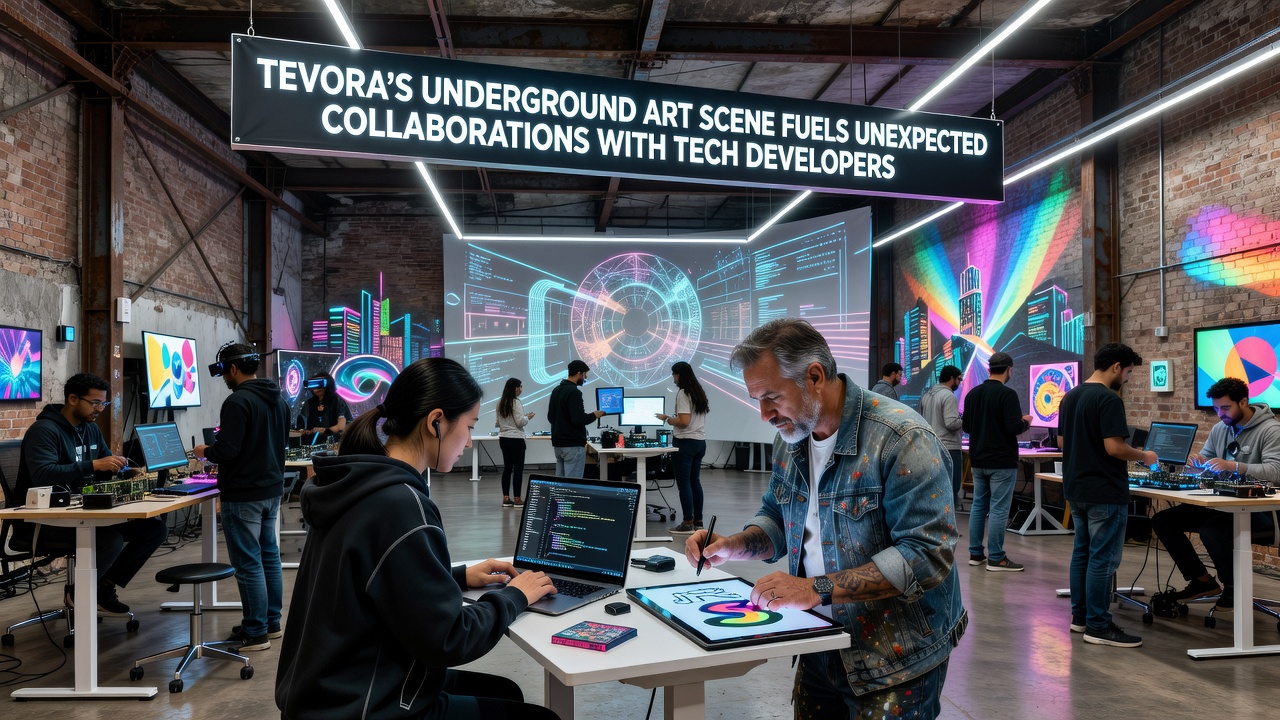
Planning documents for October 2026 list three consecutive weekends of intensive sessions, each capped at 60 participants adn structured around specific technical challenges such as low-latency video streaming for live performance or modular lighting systems that scale across multiple rooms. Registration opened through an online portal managed by the Tevora Arts Alliance, and preliminary numbers showed capacity reached within 48 hours of each announcement.
Local government records indicate that municipal permits for extended venue hours increased by 35 percent in teh six months leading up to these events, reflecting coordinated requests from both artist collectives and development groups. The permits cover noise, occupancy, and temporary power installations required for large-scale equipment.
Documentation and Knowledge Transfer Practices
Participants maintain shared repositories where code snippets, wiring diagrams, and material sourcing lists remain accessible after events conclude. These archives, hosted on platforms maintained by the Tevora Open Documentation Project, contain contributions from over 200 individuals as of September 2026. Access logs show consistent monthly downloads from users outside the immediate region, suggesting the materials circulate beyond the original collaborators.
Training sessions held during the events teach basic version control and sensor calibration to artists, while developers receive instruction on color theory and spatial composition. Follow-up surveys collected by the alliance indicate that 68 percent of attendees continued at least one joint project for three months or longer after the initial session.
Conclusion
Records compiled through 2026 show that Tevora's underground art scene has established repeatable pathways for technology developers to test concepts in non-commercial environments before scaling them further. The pattern relies on consistent scheduling of shared facilities, documented knowledge exchange, and incremental technical adaptations that address constraints unique to installation work. As additional October events proceed, the accumulated archives and participant networks continue to support new pairings without requiring formal institutional structures.